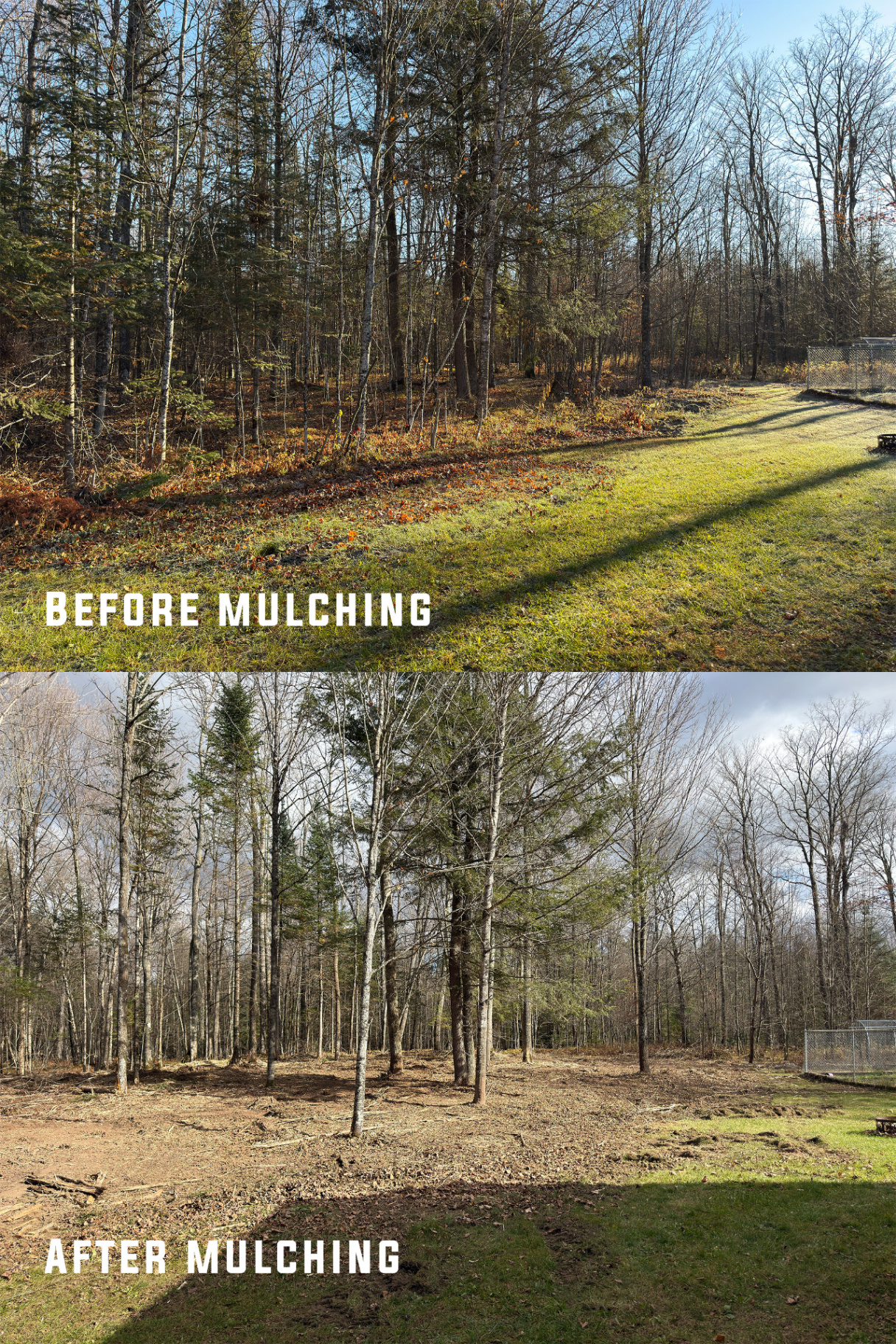
Fence line reclaimed near Crivitz, WI
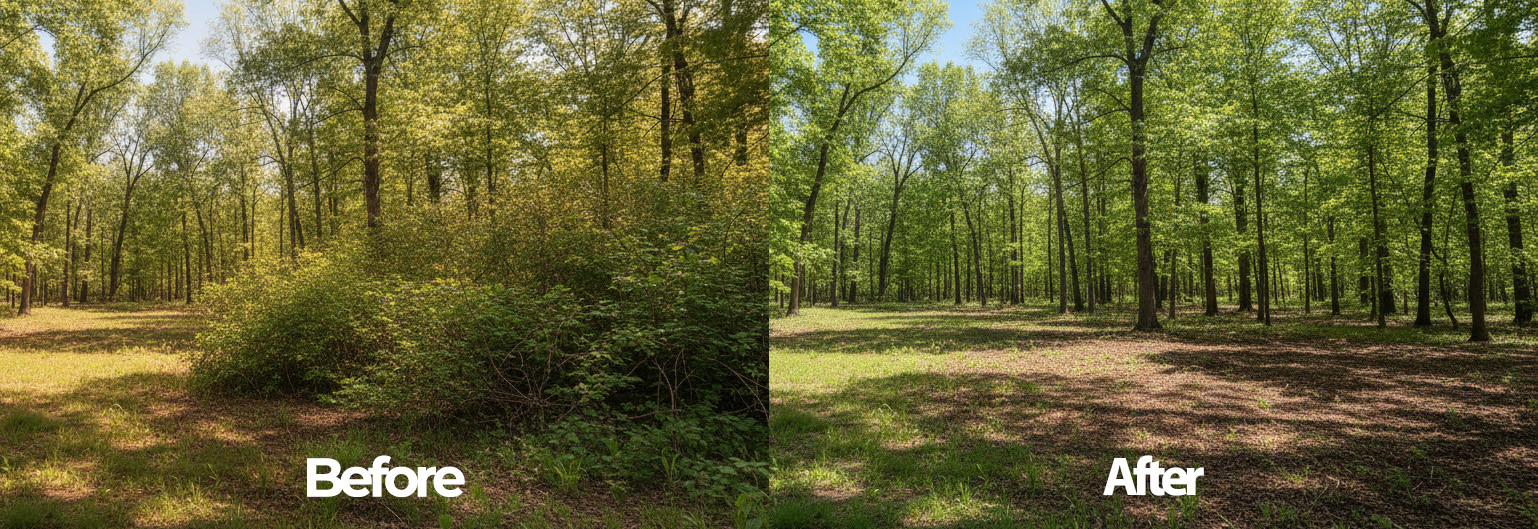
Trail reopened in Marinette County
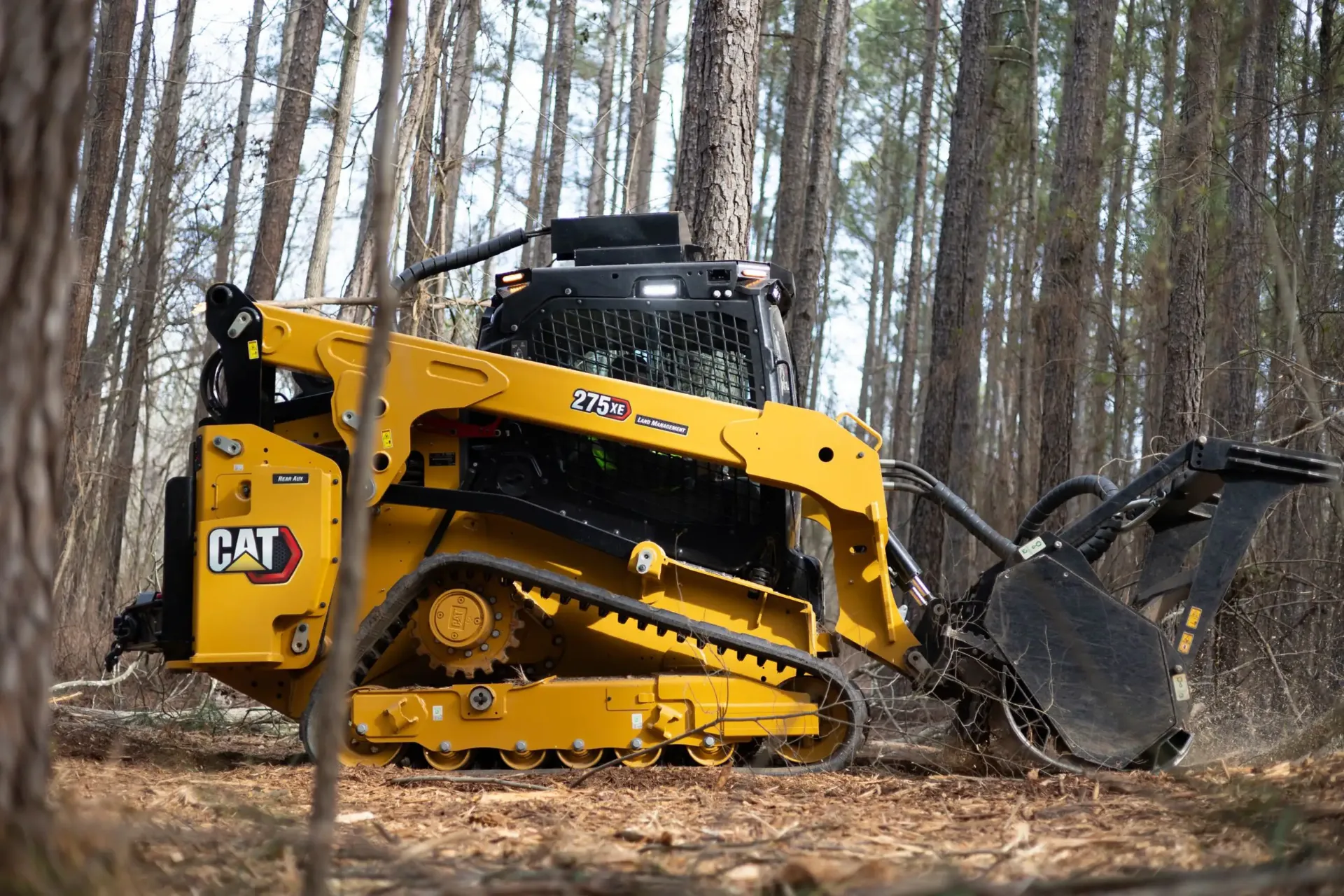
Fence Line Clearing & Pasture Reclamation in Northeast Wisconsin
Reclaim productive acreage from brush and saplings. We clear fence lines, field edges, and overgrown pasture using forestry mulching — a clean, one-pass finish with no burn piles or hauling. Based in Coleman, WI and serving nearby rural properties across Northeast Wisconsin.
The Problem: Brush Is Taking Over Your Farm
Every year, fence lines get narrower as brush encroaches from both sides. Pastures that haven't been grazed hard shrink under prickly ash, box elder, and wild rose. Field edges creep inward.
You're losing productive acreage — and once brush gets established, it's nearly impossible to push back with a tractor and brush hog alone. Hand cutting takes forever, and the brush comes back within a season or two.
Who This Service Is For
Common Agricultural Clearing Projects
- Fence line clearing: Open up buried fencerows so you can inspect and maintain your fence
- Clearing fence lines overgrown with trees: Stop brush and saplings from creeping in every year
- Field edge clearing: Push back encroachment and regain working room
- New fence installation prep: Clear a practical corridor for posts, corners, and gates
- Pasture reclamation: Reclaim overgrown pasture/hay areas so grass can reestablish
Our Fence Line & Pasture Clearing Process
Site Details & Assessment
Tell us about your fence lines and pastures — length to clear, width needed, and what's growing there. Share any concerns about old wire, tile lines, or existing fencing you want to preserve. Aerial photos and property maps help us plan.
Plan & Estimate
We assess access routes, fencing locations, and vegetation density. You'll get clear pricing — typically by linear foot for fence lines or by hour/acre for pasture work. We discuss timing, especially if frozen ground would help for soft areas.
Clearing Work
We bring the mulcher and systematically clear your fence lines or pastures. The machine grinds brush and small trees in a single pass, leaving mulch on the ground. We work around existing fencing and infrastructure you've identified.
Finished Result
Clear fence lines you can walk and maintain. Reclaimed pasture ready for grazing or hay production. The mulch layer adds organic matter and helps prevent immediate regrowth. Most areas are accessible for equipment right after clearing.
What We Can Clear — And What to Prepare
Forestry mulching is highly effective for agricultural brush clearing. Here's what works best:
Best For:
- • Prickly ash, box elder, wild rose, multiflora rose
- • Buckthorn, honeysuckle, poplar saplings
- • Brush and small trees (commonly 4–6" diameter)
- • Fence rows, corners, and gates (with clear boundaries)
- • Field edges and overgrown pasture
Limitations:
- • Large trees require a different approach
- • Hidden wire can damage the mulcher (must be removed/flagged)
- • Rocky debris slows work and increases wear risk
- • If ground conditions aren't firm enough to finish clean, we reschedule or decline
Critical: Old Wire and Fencing
The biggest hazard on agricultural clearing jobs is old wire buried in brush. Wire tangled in vegetation can damage our equipment and create safety issues.
- • Remove old wire before we arrive if possible
- • If wire can't be removed, flag its location clearly
- • Mark tile lines and drainage infrastructure
- • Identify existing fencing you want us to work around
- • Note any areas with hidden rocks or debris
What the Finished Result Looks Like
After clearing, your fence lines and pastures will be transformed. Here's what to expect:
Frequently Asked Questions
How much does fence line clearing cost?
Fence line clearing cost depends on how many feet need to be cleared, how wide the corridor needs to be, and how dense the brush is. The biggest cost variables are hidden hazards like old wire and heavy multi-stem brush. The fastest way to get an accurate estimate is to send a few photos and a rough map pin or property address so we can understand the layout.
Can you work around existing fencing?
Yes, as long as the fence line is visible and you clearly tell us what needs to stay. The main risk is hidden woven wire or loose wire buried in brush, which can damage equipment and create safety issues. If the fence is buried, you may need to expose or flag it first, or we may need to leave a small buffer so we do not contact posts or wire.
How wide do you clear along fence lines?
We clear to the width you need for access and maintenance. Some people want a clean walkable lane to inspect and repair the fence. Others want a wider corridor for equipment access, new fencing installation, or to push brush back from field edges. Tell us your goal and we will recommend a practical width for the result you want.
Will heavy equipment damage my topsoil or pasture?
Forestry mulching is a lower-disturbance method than scraping with a dozer because we are not stripping topsoil and we are not hauling material away. We leave a mulch layer on the surface that helps protect the soil. If ground conditions are soft, winter clearing on frozen ground is often the best option.
Can you reclaim old pastures that have grown in?
Yes. We can knock back brush and saplings to reopen the pasture so grass can reestablish. How clean it looks after one pass depends on how long the area has been grown in and what species are present. In some cases, the best long-term plan is clearing plus a simple maintenance plan afterward, like mowing or a follow-up touch-up where resprouting is aggressive.
Can you clear for a new fence line installation?
Yes. If you're putting in new fence, we can clear a corridor that makes post setting and stretching wire realistic. Tell us where corners/gates will go and how wide you want the lane, and we'll build the scope around that.
Do you work in winter?
Yes. Winter can be one of the best times for farm and field work because frozen ground supports the machine and helps prevent ruts. If you have soft areas that are hard to access in summer, winter clearing is often the cleanest way to get it done.
How fast can you clear fence lines?
Speed depends on length, vegetation density, terrain, and hazards like wire and debris. Straight fence lines with manageable brush move quickly. Heavy tangles, tight turns, and buried wire slow the pace. We set expectations during the estimate so you know what the timeline looks like before we start.
What species can you clear?
We commonly clear prickly ash, box elder, wild rose, multiflora rose, buckthorn, honeysuckle, poplar saplings, alder, willow, and general brush. Very large trees, heavy rock, and hidden debris can limit what is practical with a mulcher. If you are unsure, send photos and we will tell you what the best approach is.
Will brush grow back after mulching?
Some regrowth is normal, especially with species that resprout aggressively. Mulching reduces regrowth compared to cutting because it grinds material down at ground level and leaves a mulch layer that helps suppress new shoots. The goal is to reset the area so it is easy to maintain going forward. For problem species, a follow-up plan may be recommended so the corridor stays open long-term.
Areas We Serve
We provide fence line and pasture reclamation services throughout Northeast Wisconsin from our base in Coleman.