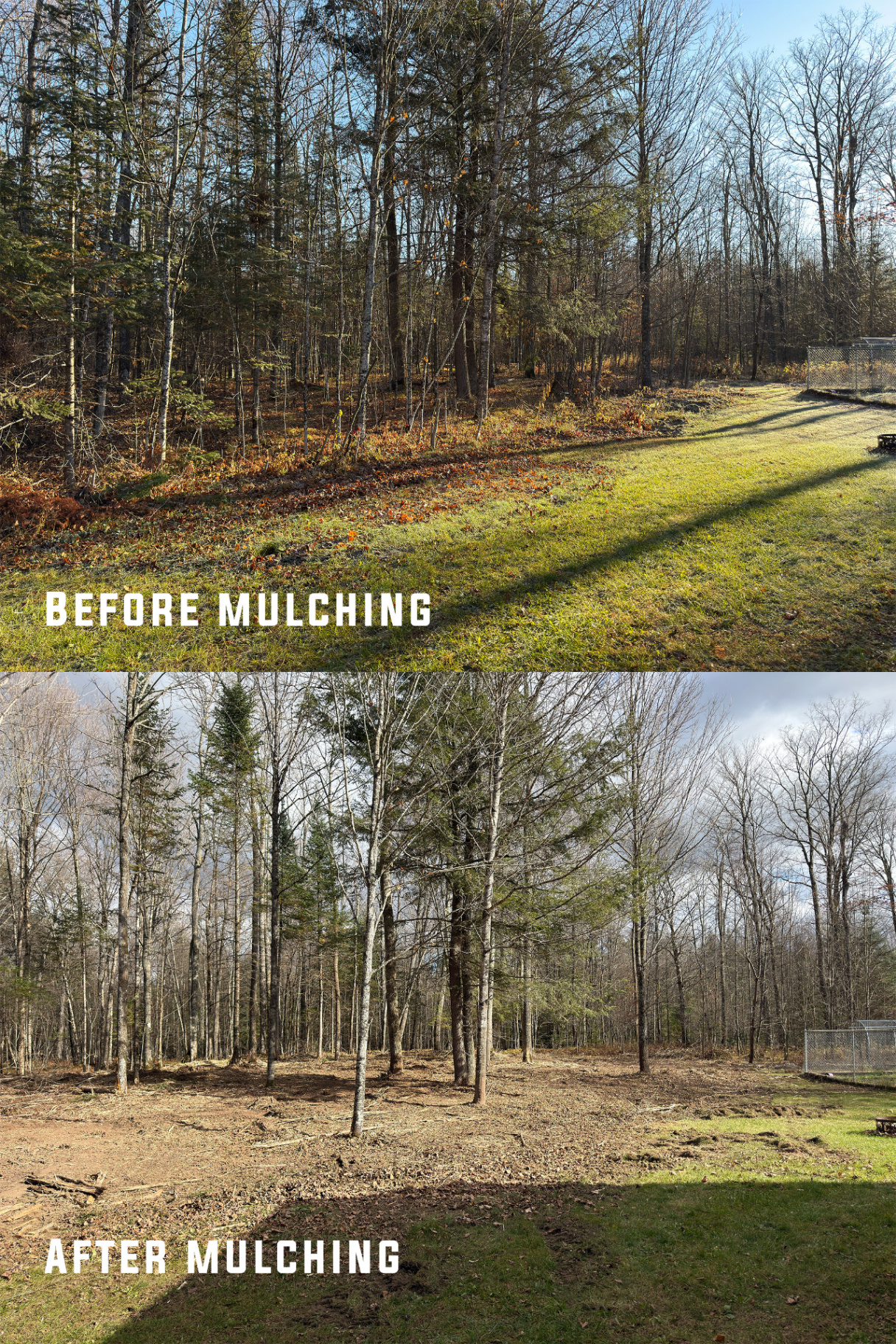
Fence line reclaimed near Crivitz, WI
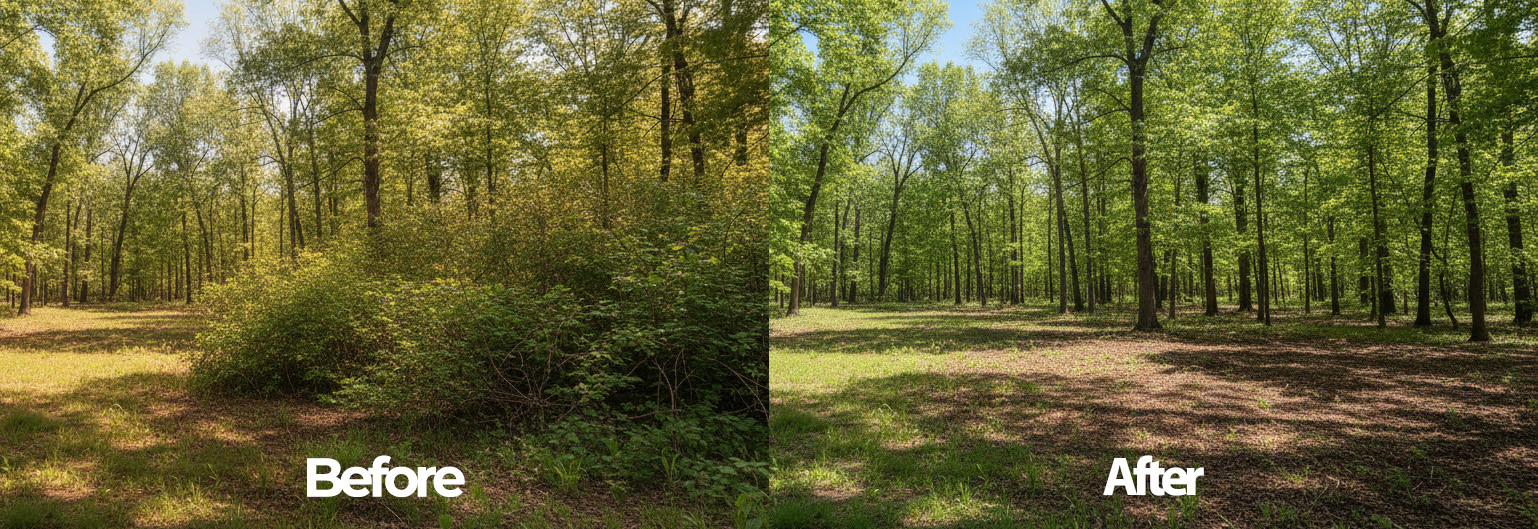
Trail reopened in Marinette County
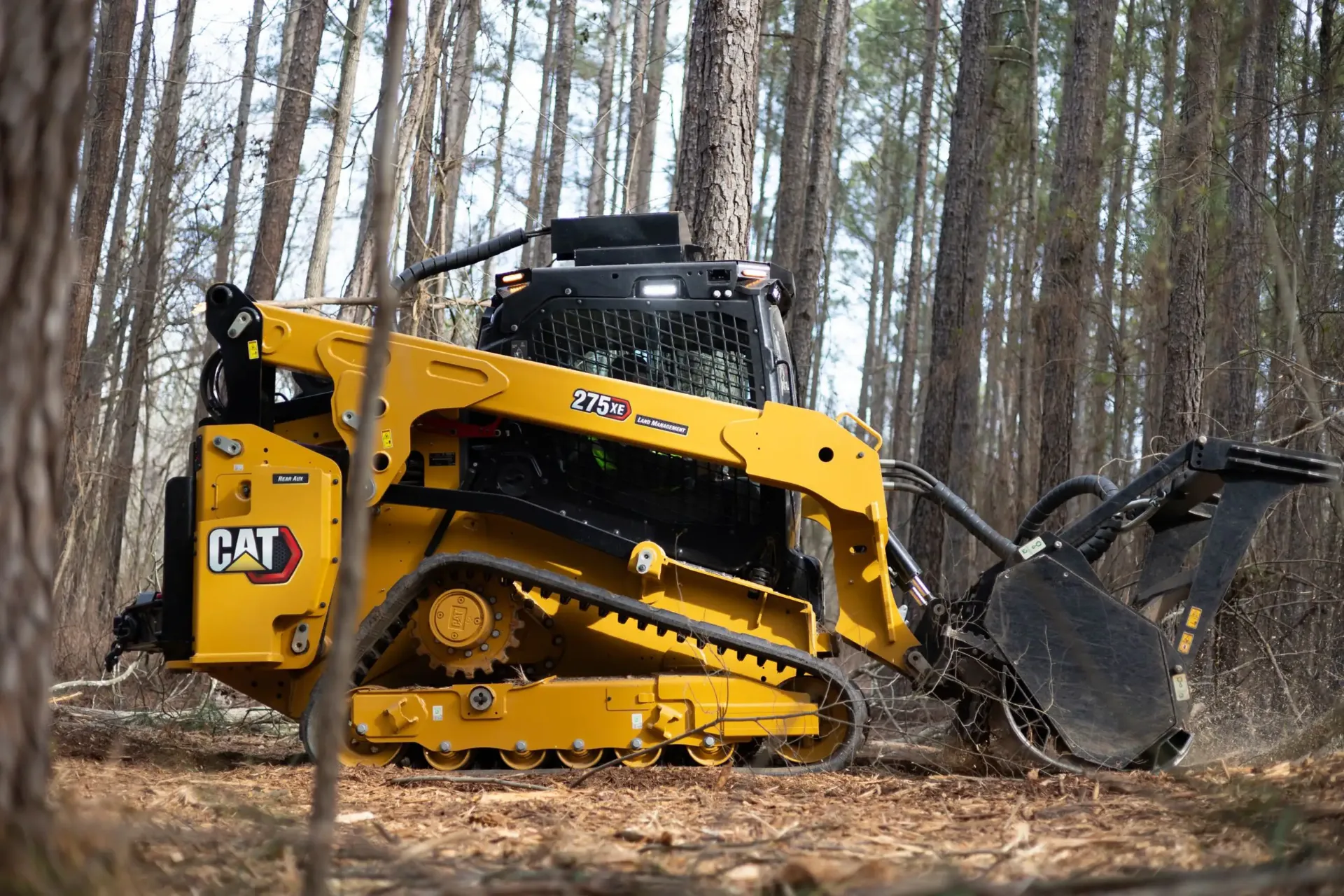
Buckthorn Removal & Invasive Brush Clearing in Northeast Wisconsin
Stop invasive thickets from taking over your woods. We use forestry mulching to knock back buckthorn, honeysuckle, wild rose, and similar brush — opening up your understory so the property is walkable and usable again. Serving Northeast Wisconsin from Coleman, WI.
Quick fit check
Best fit if you want to:
- Reclaim overgrown woods edges, trails, or property lines taken over by buckthorn
- Knock back dense thickets fast without hauling brush piles off site
- Get a clear plan for what to do next after the initial clearing
Not a fit if:
- You need individual ornamental shrubs removed without disturbing surrounding landscaping
- You need a guarantee that buckthorn will never return without any follow-up
Best Fit and Not a Fit
Best fit for this service
This service is for landowners who want invasive brush brought under control and the property made usable again. It is a strong fit for:
- Dense buckthorn or honeysuckle thickets taking over woods edges
- Trails and access lanes that have closed in
- Fence rows and field edges where invasives are creeping in
- Cabin lots and hunting land where you want visibility and movement back
- Properties where you want on-site cleanup without brush piles
Not a fit for this service
Mulching is a fast, clean way to reset invasive growth, but it is not the same as excavation or full restoration work. This is usually not the right fit for:
- Full stump and root removal across the entire site
- Fine grading or earthwork for construction pads
- Projects where the main goal is hauling all organic material off-site
If you are unsure, send a few photos and your address and we will tell you what approach fits your goal.
What the finished result looks like
After a proper invasive clearing pass, you should expect:
Are Invasives Taking Over Your Property?
Common buckthorn, honeysuckle, and other invasive species spread aggressively across Northeast Wisconsin. They form dense thickets that block sunlight, crowd out native plants, and make your woods impenetrable. Birds spread the seeds, so even well-managed properties can become infested from neighboring land.
Cutting invasives with a chainsaw or brush cutter doesn't solve the problem. They resprout quickly from the stump and roots. Hand pulling works for small patches but is impossible for large infestations. Without intervention, invasives continue spreading every year.
Who This Service Is For
Common Invasive Species We Remove
- Common Buckthorn: Dark berries, stays green late into fall, forms dense understory thickets
- Honeysuckle: Bush and vine types, opposite leaves, crowds out native shrubs
- Multiflora Rose: Arching canes with curved thorns, forms impenetrable barriers
- Prickly Ash: Thorny stems, spreads aggressively in woods and field edges
- Wild Rose: Dense thorny thickets that take over fence lines and openings
What the process looks like
You send photos and the goal
Send 3–5 photos of the worst spots plus an address or map pin. Tell me what you want when it's done: access, habitat, fence line visibility, or cleanup before a sale.
I identify the constraints that change price and outcome
Density, stem size, slopes, rocks, wire, junk piles, and how tight the work area is.
We pick the right timing
Frozen ground can be ideal when conditions allow. If the goal is invasive control, we plan for what happens after the first pass.
Mulch and open it up in a controlled way
The goal is access and reset, not tearing up the soil. I keep it clean and predictable so you can maintain it.
Follow-up plan so it stays under control
Buckthorn is persistent. A clean first pass makes follow-up faster and cheaper. Some owners choose periodic maintenance passes; others work with a licensed applicator for targeted regrowth control.
If you want a quote, send photos and a pin and I'll tell you the most realistic path forward.
What to Expect from Invasive Removal
Forestry mulching is highly effective against invasives, but here's what you should know:
Mulching Is Effective For:
- • Clearing dense invasive thickets quickly
- • Destroying above-ground growth and weakening roots
- • Opening forest canopy for native plant recovery
- • Large-scale invasive management
- • Creating a clean starting point for follow-up regrowth control (maintenance or targeted treatment)
Realistic Expectations:
- • Some regrowth from roots is possible (especially buckthorn)
- • Complete eradication may require follow-up treatment
- • Small native understory plants may be affected in dense areas
- • We don't apply herbicides but can refer to licensed applicators
- • Results are much better than cutting alone
About Herbicide Treatment
We do not apply herbicides. For persistent species like buckthorn, follow-up chemical treatment on resprouts often provides the best long-term control. If you want herbicide treatment after mulching, we can refer you to licensed applicators in the area who specialize in invasive species management.
After Invasive Removal: What You'll See
Removing invasives transforms your woods. Here's what the results look like:
Frequently Asked Questions
Will mulching kill buckthorn permanently?
Mulching is a major step toward control, but regrowth can happen from remaining root material or seed in the soil. The best results come from a plan: clear first, then scout and address regrowth. Some owners choose periodic maintenance passes; others work with a licensed applicator for targeted treatment.
Why does buckthorn come back after cutting?
Cutting alone leaves the root system intact, and buckthorn responds by sending up new shoots. It also produces a lot of berries, so seed can stay in the area and germinate later. That is why cutting without follow-up often turns into a repeating cycle.
Is mulching better than cutting and spraying?
It depends on your goal and the site. Mulching is fast for dense thickets and can reclaim access and visibility immediately. Cutting and spraying can be effective for selective work or sensitive areas. Many properties benefit from a combination: use mulching to remove the bulk, then follow up on regrowth where it appears.
What invasive species do you commonly clear in Northeast Wisconsin?
Buckthorn is the big one, but we also frequently see honeysuckle, prickly ash, wild rose, and other aggressive brush that takes over understory and edges. If you are not sure what you have, photos are usually enough for a quick identification of the main problem plants.
What does the site look like after you mulch invasives?
The thicket is removed and replaced with a mulch layer. You will be able to see and move through the area again, and the ground stays in place instead of being scraped. If you want a cleaner finish for walking or mowing, that can be planned into the scope.
Will mulching spread seeds?
Any disturbance can expose seed already in the soil, and buckthorn seed can persist. Mulching does not haul plant material off site, which helps reduce transport risk, but it does not eliminate the seedbank issue. The practical answer is to plan for follow-up, especially on properties that have had buckthorn for years.
How do you price invasive removal work?
Pricing depends on density, access, terrain, and how selective you want the work to be. Some invasive projects are simple acreage reclamation. Others require careful keep and remove decisions. Photos and a map pin are the fastest way to get a realistic estimate.
What do you need from me to quote the job?
An address or a pin on the map, a clear description of your goal, and a few photos of the thickest areas. It also helps to know if there are fences, old wire, junk piles, or areas you want to avoid.
Areas We Serve
We provide buckthorn and invasive species removal services throughout Northeast Wisconsin from our base in Coleman.