
Forestry Mulching Pricing & Rough Project Estimates
Most land clearing prices are hard to compare because every property is different. Brush density, access, terrain, hidden debris, travel, and the finished result all affect the final scope.
Use this page to get a realistic planning range before you request a quote. The calculator is a planning tool, not a final price. Final written quotes are confirmed after we walk the site and see the conditions in person.
Just want a fast ballpark? Use the instant pricing calculator.
If you are not sure how much land actually needs clearing, send 2-3 photos and a dropped pin. I can help you separate the full property size from the real work area before scheduling the site walk. Photos and maps help me review the location and work area, but they do not create a final quote.
Instant Project Estimator
Select Area
Select only the area you need cleared – not your full property size.
A football field is roughly 1 acre. A ¼ acre is about two tennis courts.
To find your exact acreage, you can use tools like LandGlide, OnX Hunt, AcreValue, or your county's GIS mapping system.
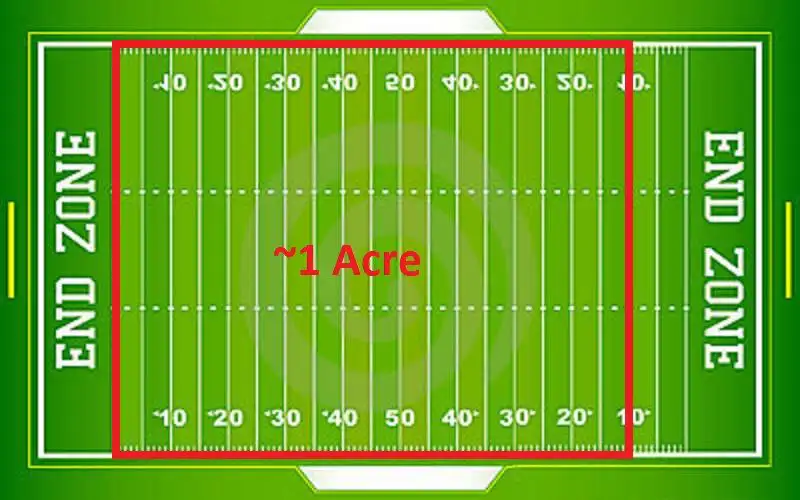
~1 Acre ≈ Football Field
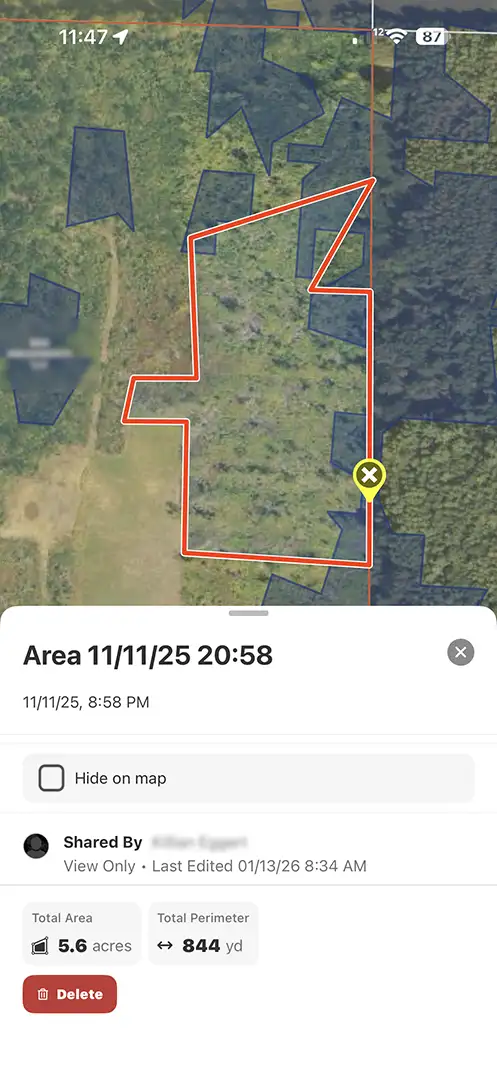
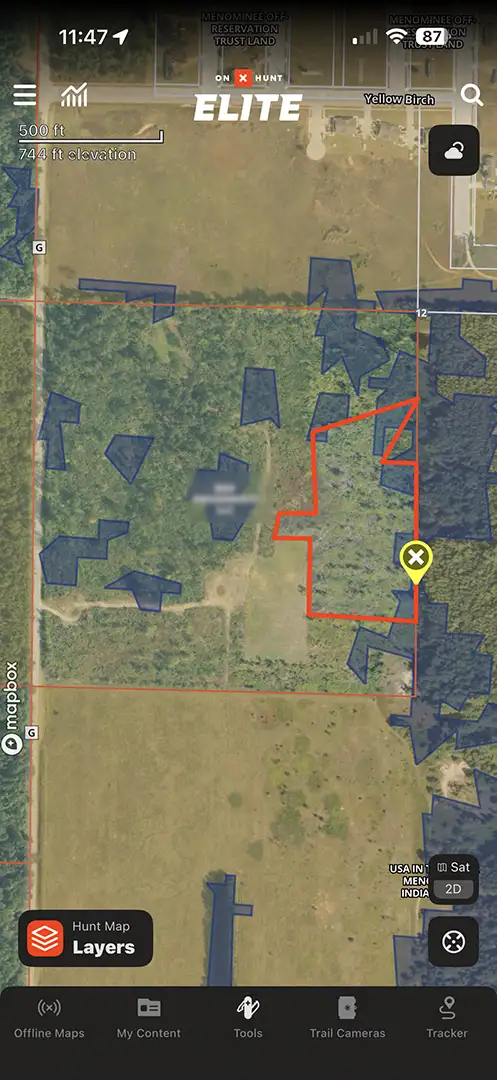
Screenshot examples of sending planned clearing with OnX app
This Calculator Is Built for Brush Work With Room for Equipment
Use this calculator for brush, saplings, buckthorn, field edges, fence lines, trails, old field edges, cabin access, and overgrown rural acreage. It is a planning tool, not a final quote. Final written pricing comes after the property is walked in person.
- Brush, saplings, buckthorn, vines, and invasive understory
- Field edges, fence lines, old pasture edges, and access routes with room to work
- Cabin or vacant-land cleanup where the machine can work safely
What Affects the Price
- Area to clear
- Brush density and stem size
- Terrain and slope
- Ground firmness
- Access and turning room
- Hidden obstacles
- Travel distance
- Finish expectations
Projects That Usually Need a Different Contractor
The calculator does not decide soft, wet, swampy, shoreland, or wetland work by itself. Those areas need an in-person look, and some may need a different contractor or a different approach. It is also not meant for mature tree removal, stump pulling, stump grinding, excavation, grading, building pads, debris hauling, or tight residential yards.
Example Pricing Scenarios
🏡 1-Acre Rural Edge Reclaim
A landowner wants a usable acreage edge again — regrowth, invasive brush, and saplings opened up so the area can be walked, maintained, or mowed later.
- Property type:
- Rural edge
- Total area:
- 1 acre
- Brush density:
- Medium
- Terrain:
- Flat / Mild
Calculation:
4 × $475 × 1.15 × 1 = $2,185 (work)
Estimated Range: $2,167 – $2,604 (includes $200 mobilization)
What's included:
- Mulching/clearing of the selected area
- Mulch/chips left on-site as a natural ground cover
- Edges cleaned up for a "finished" look
- Written fixed quote after the site walk (no day-rate clock)
🧭 Fence Line + Access Trail Refresh (2 Acres)
A property owner needs access restored—light regrowth along fence lines and trails, plus a few overgrown pockets that slow down walking and ATV use.
- Property type:
- Rural residential / recreation
- Total area:
- 2 acres
- Brush density:
- Light
- Terrain:
- Rolling
Calculation:
8 × $475 × 1 × 1.1 = $4,180 (work)
Estimated Range: $3,962 – $4,798 (includes $200 mobilization)
What's included:
- Mulching/clearing of the selected area
- Mulch/chips left on-site
- Access improved for walking/ATV/maintenance
- Written fixed quote after the site walk
⛰️ 0.5-Acre Steep / Difficult Terrain
A tight section with uneven ground and erosion cuts needs to be knocked back safely—dense brush on challenging terrain where careful operation matters more than raw speed.
- Property type:
- Uneven ground / embankment edge
- Total area:
- 0.5 acre
- Brush density:
- Dense
- Terrain:
- Steep / Difficult
Calculation:
2 × $475 × 1.3 × 1.25 = $1,544 (work)
Estimated Range: $1,589 – $1,898 (includes $200 mobilization)
What's included:
- Mulching/clearing of the selected area
- Controlled work plan for challenging terrain
- Mulch/chips left on-site
- Written fixed quote after the site walk
🏗️ 5-Acre Pre-Project Brush Clearing
A larger open area needs brush and saplings cleared before a sale, fence work, pasture plan, or other rural project — not building pad prep.
- Property type:
- Pre-project brush clearing
- Total area:
- 5 acres
- Brush density:
- Light
- Terrain:
- Flat / Mild
Calculation:
20 × $475 × 1 × 1 = $8,930 (work)
Estimated Range: $8,237 – $10,023 (includes $200 mobilization)
What's included:
- Mulching/clearing of the selected area
- Mulch/chips left on-site
- Clean, consistent finish across the cleared zone
- Written fixed quote after the site walk
🌲 Dense Invasive Restoration (1 Acre)
The goal is to reset an overrun area—woody invasives and thick saplings removed so native growth has room and future maintenance is realistic.
- Property type:
- Restoration / invasive reset
- Total area:
- 1 acre
- Brush density:
- Dense
- Terrain:
- Rolling
Calculation:
4 × $475 × 1.3 × 1.1 = $2,717 (work)
Estimated Range: $2,645 – $3,189 (includes $200 mobilization)
What's included:
- Mulching/clearing of the selected area
- Mulch/chips left on-site
- Focus on invasives + thick saplings removal
- Written fixed quote after the site walk
These scenarios are examples for planning. Photos, maps, and a dropped pin can help me review the location and estimate the rough range, but final pricing depends on what we confirm during an in-person site walk: access, hidden debris, ground conditions, density, and finish expectations.
The Simple Pricing Formula
We use a simple pricing model so you can understand the numbers before you request an in-person site walk.
Pricing constants
- Base rate: $475 per 0.25 acre ($1,900 per acre)
- Small-job estimator floor: $1,200
- Mobilization: $200 (included in the estimate range)
- Acre rounding: acreage is rounded up to the nearest 0.25 acre
- Volume pricing: 5+ acres receives a discount
Multipliers
Brush density multipliers
- Light: 1.0×
- Medium: 1.15×
- Dense: 1.3×
Terrain multipliers
- Flat / Mild: 1.0×
- Rolling: 1.1×
- Steep / Difficult: 1.25×
Worked example
Example: 1.0 acre, Medium brush, Rolling terrain
- roundedAcres = 1.0
- quarters = 4
- base = 4 × 475 = 1,900
- work = 1,900 × 1.15 × 1.10 = 2,403.50
- range = (2,403.50 × 0.90 to 2,403.50 × 1.10) + 200
- estimated range = $2,363 – $2,844
What can change the final price
- access constraints (tight gates, long carry distance, soft lawns)
- hidden debris (wire, fence, trash, concrete)
- soft or wet ground that slows the job down
- slope and safe machine positioning
- finish expectations (rough knockdown vs clean "park-like")
Important: Online estimates are for planning. Final pricing requires an in-person site walk and a written quote.
Forestry Mulching vs. Bulldozing, Brush Hogging, and Hand Clearing
The right method depends on what you are trying to clear and what kind of finish you want left behind. Forestry mulching is usually strongest where brush, saplings, trails, fence lines, and understory need to be opened without turning the whole area into a dirt-work project.
Forestry mulching
Best for: Brush, saplings, fence lines, trails, pasture edges, understory
Main downside: Not ideal for major excavation, grading, or large hazardous tree removal
Debris/result: Material is processed into mulch and left as ground cover
Bulldozing
Best for: Soil-moving jobs where major ground disturbance is acceptable
Main downside: More ground disturbance, root balls, piles, erosion risk
Debris/result: Pushes material into piles or windrows
Brush hogging
Best for: Grass, weeds, light brush, maintained fields
Main downside: Limited on woody growth and saplings
Debris/result: Cuts material down but may leave rough stems
Hand clearing / chainsaw
Best for: Small areas, tight spaces, highly selective cleanup
Main downside: Slow, labor-heavy, debris still needs handling
Debris/result: Cut material must be piled, chipped, burned, or hauled
Logging
Best for: Merchantable timber
Main downside: Not useful for low-value brush, invasives, and small saplings
Debris/result: Removes valuable timber but usually leaves tops, brush, and cleanup work
What This Price Usually Includes
- forestry mulching or brush clearing of the agreed work area
- machine time for brush, saplings, and understory within the quoted scope
- mulch/chips left on-site as ground cover
- normal cleanup of edges, travel paths, and cleared lanes
- written quote after site inspection
What Is Usually Not Included
- hauling material off-site
- excavation, grading, pond work, or driveway building
- stump grinding as a standalone service
- large hazardous tree removal
- soft or saturated ground that needs a different plan after the site walk
- hidden wire, metal, concrete, trash, rocks, or debris
- work outside the agreed clearing area
Wisconsin vs. Texas Pricing Notes
The same pricing model applies in Northeast Wisconsin and East Texas, but the job conditions can be different.
In Wisconsin, price is often affected by buckthorn, ground firmness, frozen-ground timing, wooded access, hunting land, tight cabin-property access, and travel from the Coleman area.
In East Texas, price is often affected by pasture regrowth, fence line creep, yaupon, privet, briars, sandy spots, soft areas, creek or pond edges, and travel from the Sulphur Springs area.
The calculator gives a planning range. The site walk confirms what the machine can actually access and how dense the work area is.
Pricing by Job Type
Pricing changes by acreage, density, access, terrain, and travel, but these pages explain the work by common job type and region.
FAQ
Is the instant estimate my final price?
No. It's a planning range based on acreage + brush + terrain. Final pricing requires an in-person site walk and a written quote.
Do you have a minimum charge?
Yes. The estimator uses a $1,200 small-job floor for very small, simple work. That is not a promise that every project will be that low. Most real forestry mulching projects plan in the $1,500–$5,000 range depending on acreage, density, terrain, access, and travel. If the project is too small for the machine to make sense, I’ll tell you.
Why do you round acreage up to 0.25 acre?
Small measurement differences matter in the field. Rounding up makes estimates consistent and prevents under-scoping the job.
How do I measure the acreage I want cleared?
Select only the area you want mulched (not your full property). Tools like LandGlide, OnX Hunt, AcreValue, or county GIS maps can help you trace an area and read acreage.
What counts as Light vs Medium vs Dense brush?
Light is easy to walk through with minimal invasives and small saplings. Medium is still passable with noticeable regrowth and denser patches. Dense is nearly impassable with briars/woody invasives/thick saplings.
What counts as Flat vs Rolling vs Steep terrain?
If you would not safely drive a pickup truck across it, choose Rolling or Steep. Rolling is most common for forest edges. Steep / Difficult typically involves sustained slope where careful operation reduces speed.
Do you haul material away?
Normally, no. Mulched material is left on-site as a mulch layer. Haul-off is a different scope and can add cost, while reducing the organic matter from being able to return to the landscape.
What if there's hidden wire, fence, rocks, or trash?
Hidden debris is one of the biggest risk factors. It slows production and can damage equipment and injure people. If we find debris, we'll stop and confirm the plan before continuing.
Can you mulch small trees?
Yes, within reason. Stem size, density, and species affect production speed, which is why brush density is part of the estimator.
Can you work in winter?
Often yes, and frozen ground can help with access. Conditions vary by site, snow cover, and terrain; we confirm before scheduling.
Does the estimate include mobilization?
Yes. The displayed range includes a $200 mobilization fee.
Do 5+ acre projects get better pricing?
Yes. The estimator is for smaller projects and we offer discounted pricing on larger multi day projects.